How to Taste Coffee Like You Mean It
Tasting coffee is not about having a refined palate or memorizing a wheel of flavor words. It's about paying attention for ninety seconds longer than you normally would. Here's how to do it without becoming insufferable.
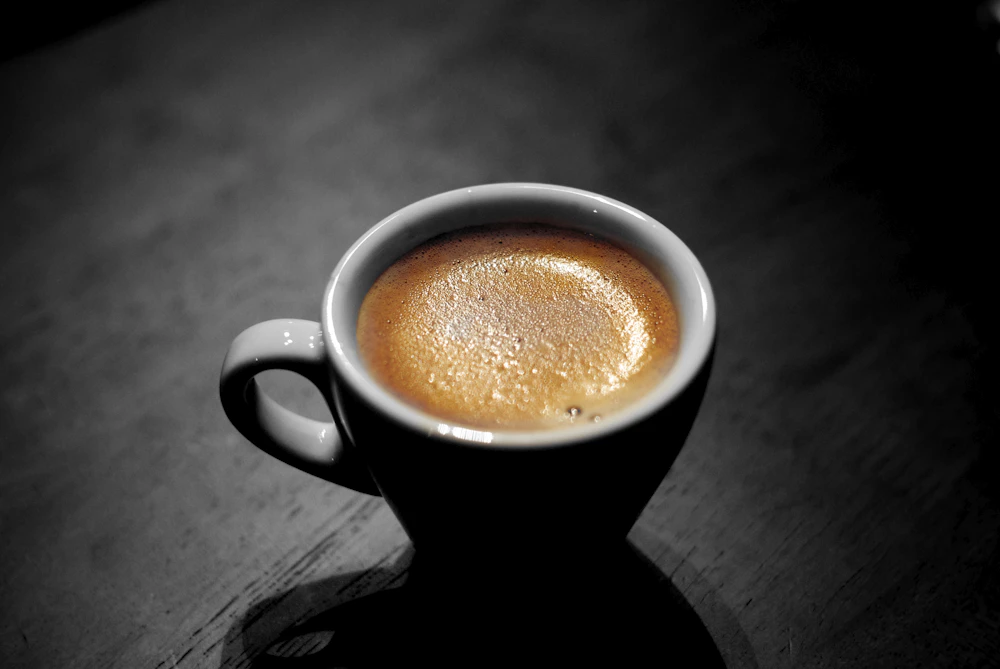
Start with smell. Before the first sip, actually put your nose over the cup — most of what you'll “taste” is aroma. Then take a sip bigger than feels polite and let it coat your whole mouth. You're looking for three things: acidity (the brightness, like biting into fruit), body (how heavy it feels — skim milk versus cream), and finish (what's still there after you swallow).
“Pay attention for ninety seconds longer than you normally would. That's the entire skill.”
That's the whole framework. Everything else — the stone fruit, the cocoa, the “notes of jasmine” — is just you getting more specific about those three things over time. Nobody is born knowing their coffee tastes like dried apricot. They drank a lot of apricots and a lot of coffee and eventually the two shook hands.
Temperature matters more than people expect. A coffee that tastes flat and over-roasted at scalding hot will often open up as it cools — the acidity and sweetness you paid for show up around the temperature of a warm bath. So if a cup seems closed off at first, give it five minutes before you judge it.
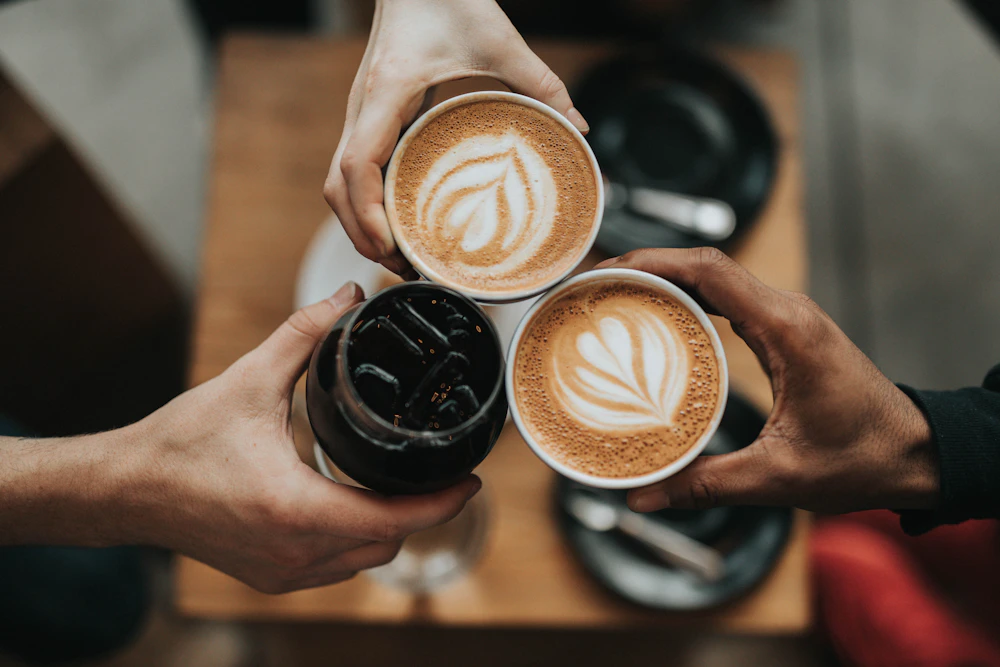
The best way to practice is side by side. Order two different drinks, or the same drink from two shops, and taste them back to back. Contrast does the teaching for you. Suddenly “bright” isn't an abstract word — it's the thing one cup has and the other doesn't. Do that a dozen times and you'll have a palate, no flashcards required.