What “Single Origin” Really Buys You
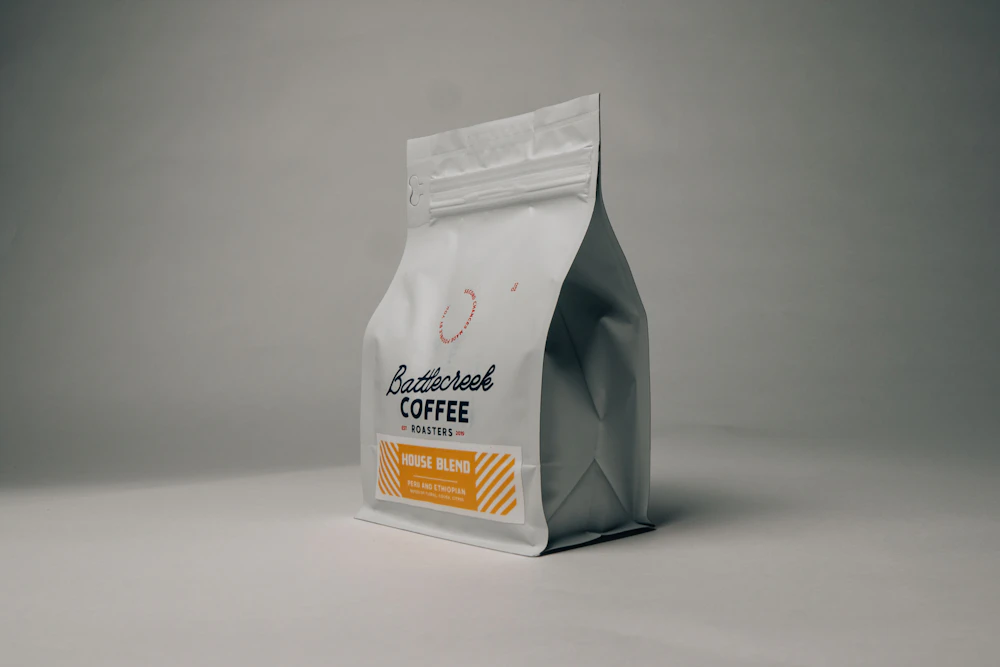
“Single origin” gets printed on a lot of bags, and it's worth knowing what it actually promises. At its simplest, it means the coffee in the bag is traceable to one place — a single country, region, cooperative, or, at the tighter end, one farm or even one lot within a farm. The narrower the trace, the more specific the flavor.
Why does that matter? Because where coffee grows changes how it tastes, the same way it does for wine. Altitude is the big one: beans grown higher up mature more slowly, which concentrates sugars and acidity. That's why high-grown Ethiopian and Colombian coffees often taste brighter and more floral, while lower-elevation beans tend toward heavier, chocolatey, nutty notes. Soil, shade, rainfall, and the coffee varietal itself all leave fingerprints too.
“A blend is a recipe built for consistency. A single origin is a postcard from one specific place, one specific season.”
Then there's processing — what happens to the cherry after picking — which is arguably as influential as geography. Washed (or “wet”) coffees have the fruit stripped off before drying, leaving a clean, bright, transparent cup. Natural (or “dry”) coffees dry with the fruit still on, pushing big, jammy, sometimes boozy berry flavors. Honey processing splits the difference and lands somewhere sweet and round. Read the bag: it usually tells you.
A blend, by contrast, is a recipe. Roasters combine beans from several origins to hit a consistent, balanced flavor that tastes the same in January and July — which is exactly what you want in an everyday espresso. A single origin is the opposite bet: a postcard from one specific place, one specific season, with all the personality and none of the smoothing-over.
So what does single origin really buy you? Specificity, and a story you can actually taste. It won't always be “better” than a great blend — sometimes it's wilder, sometimes more challenging — but it's the most direct line you can drink between a cup in Orange County and a hillside thousands of miles away. Order one as a pour over, ask the barista where it's from, and taste whether the altitude and the wash are doing what the bag says they should.